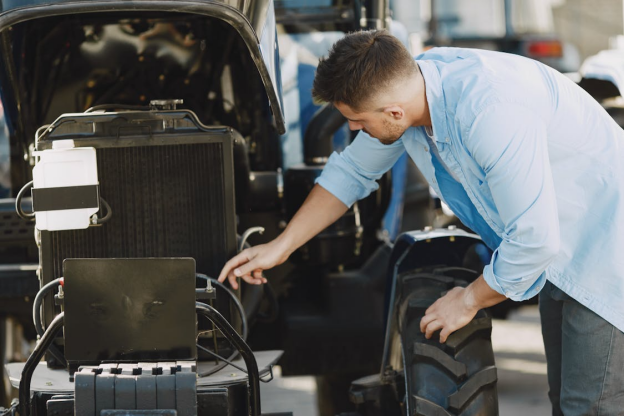
Life moves fast. Between work, family, and everything in between, it’s easy to push vehicle maintenance to the back of the to-do list — until something breaks. That’s exactly the problem. For drivers who depend on their vehicle every single day, preventive car care isn’t just a good habit. It’s the most practical way to protect both the vehicle and the budget behind it.
The average American vehicle is now 12.6 years old, according to S&P Global Mobility. That means more drivers than ever are managing aging vehicles under daily driving conditions — and the stakes for consistent maintenance have never been higher.
What Preventive Car Care Actually Looks Like
Preventive maintenance isn’t about fixing things that are broken. It’s about staying ahead of wear across the systems that keep a vehicle reliable. A solid car maintenance service schedule typically covers:
- Engine oil changes — the single most impactful service for long-term engine health. Degraded oil loses its ability to lubricate and cool internal components, quietly accelerating wear with every mile.
- Brake inspections — catching pad wear early prevents rotor damage and keeps auto brake repair straightforward and affordable rather than complex and costly.
- Fluid services — coolant, transmission fluid, brake fluid, and power steering fluid all degrade over time. Servicing them on schedule protects each system from the inside out.
- Belt and hose inspection — serpentine belts and cooling hoses wear gradually and fail suddenly. Proactive replacement eliminates one of the most common causes of unexpected roadside breakdowns.
- Battery testing — batteries rarely give a clear warning before they fail. A load test reveals remaining capacity before a cold morning turns into a no-start situation.
The Real Financial Case for Staying on Schedule
According to AAA’s Car Care Month research, neglecting regular oil changes can lead to sludge buildup that can cause engine failure, with replacement costs exceeding $4,000. A routine oil change costs a fraction of that. The math is straightforward, but the discipline requires treating maintenance as a scheduled expense rather than an afterthought.
AAA also recommends that drivers budget approximately $100 per month for vehicle maintenance and repairs. Drivers who spread that cost across the year through routine service consistently avoid the large, unplanned repair bills that strain budgets and disrupt daily life. Preventive care converts unpredictable emergencies into predictable, manageable expenses.
Daily Drivers Face Specific Challenges
Not all driving is equal in terms of vehicle wear. Daily drivers — especially those navigating stop-and-go commutes, short trips, or rough road conditions — put more cumulative stress on their vehicles than the average service interval accounts for. Some of the most common challenges:
- Short trips — engines that never fully reach operating temperature produce condensation inside the oil system, accelerating internal wear and shortening oil service life.
- Frequent braking — stop-and-go commuters wear through brake pads faster than highway drivers. Brake inspections at every oil change keep this well-maintained.
- Rough road exposure — potholes, railroad crossings, and uneven pavement stress suspension and steering components beyond what smooth-road driving would produce, making annual suspension checks especially worthwhile.
- Temperature cycling — engines that heat and cool repeatedly throughout the day put more demand on cooling system components like the thermostat, water pump, and hoses.
The Hidden Value: Resale and Reliability
Preventive maintenance doesn’t just protect a vehicle — it protects its value. A vehicle with a documented service history consistently commands a higher resale price than one without. More importantly for daily drivers, a well-maintained vehicle doesn’t leave them stranded. It starts every morning, stops when needed, and performs predictably in all conditions. That kind of reliability isn’t luck — it’s the direct result of consistent care.
What to Prioritize if You’re Behind on Maintenance
If maintenance has fallen behind, the most important step is getting a comprehensive inspection before deciding what to address. A qualified technician can identify what’s genuinely urgent, what can wait, and what the vehicle’s service history suggests needs attention. For daily drivers, the engine and mechanical systems are the highest priority — followed by brakes, tires, and battery condition. Addressing the most critical items first and building a forward-looking maintenance schedule from there is far more effective than trying to catch up on everything at once.
Preventive Care Is an Investment, Not an Expense
The framing matters. Drivers who treat maintenance as an expense to minimize tend to defer it — and pay more later. Drivers who treat it as an investment in reliability and longevity tend to get more out of every vehicle they own. For daily drivers, especially, a vehicle that runs dependably is not a convenience. It’s a necessity. Preventive car care is what keeps that necessity intact.
Schedule Your Maintenance Today
Vehicle Masters serves drivers across the South Suburbs with honest, thorough automotive care — from routine oil changes to comprehensive inspections and vehicle repairs across every major vehicle system. Drivers looking to get ahead of their maintenance schedule can schedule an appointment online or call the shop directly at 708-687-9955. The team will assess the vehicle’s condition and build a clear, prioritized maintenance plan based on what it actually needs.
About the Author
Marcus J. Callowayis an automotive writer and former fleet maintenance coordinator with over 15 years of experience in vehicle care and driver education. He has written for regional automotive publications and community driver safety programs across the Midwest. Marcus is passionate about making vehicle maintenance accessible and understandable for everyday drivers — particularly those who depend on their cars for work and family life. When he’s not writing, he’s wrenching on a 1998 Jeep Cherokee that refuses to stay stock.