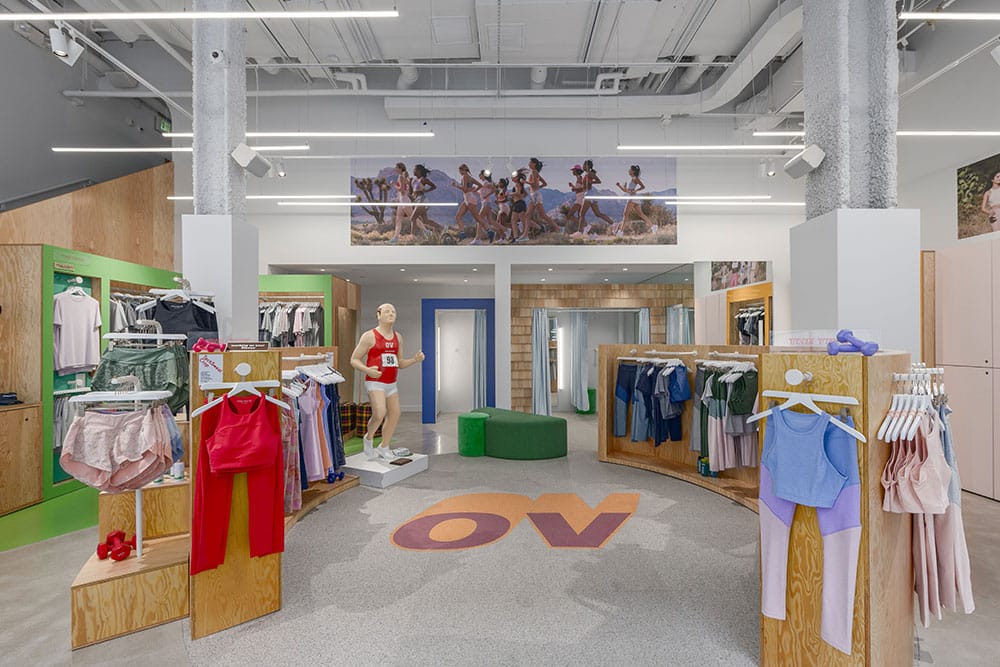
Imagine putting all your effort into setting up your store—arranging products, creating eye-catching displays, and ensuring everything is perfectly placed. Yet, customers don’t seem to engage with the displays, and sales are stagnant. It’s frustrating when your merchandising strategy doesn’t deliver the expected results. Retailers often find that small adjustments can make a big difference in attracting attention and boosting sales.
In this article, we will explore practical tips that can help transform your merchandising approach and create a more compelling store environment.
1. Optimize Store Layout
The layout of your store plays a significant role in guiding customers through your space and highlighting key products. A well-planned store layout ensures a seamless shopping experience and increases the likelihood of impulse purchases. Here are a few strategies that can make a difference:
- Decompression Zone: The area just inside the entrance acts as a transition space for customers. Keep it open and inviting, setting a welcoming tone for the rest of the store.
- Power Walls: The right-hand side of the store is often the first area customers engage with. Use this space to display high-demand or seasonal products.
- Clear Pathways: Ensure aisles are spacious and encourage exploration. Avoid congestion to create a comfortable, enjoyable shopping environment.
Now that your layout is optimized, it’s time to focus on the visual appeal of your displays.
2. Leverage Visual Merchandising
Visual elements can greatly influence a customer’s perception and buying decision. Well-designed displays engage customers and draw them into the shopping experience. Enhance your store’s appeal with these effective visual merchandising techniques:
- Color Psychology: Colors have the power to evoke emotions and attract attention. For example, warm tones create urgency, while cool hues offer a more relaxed vibe.
- The Rule of Three: Group products in sets of three to create visual balance, as odd numbers are naturally appealing to the human eye.
- Thematic Displays: Create cohesive themes that tell a story. This not only makes your displays more engaging but also helps customers connect with your products.
With your visual displays set, the next step is ensuring your signage is on point to guide customers and highlight promotions.
3. Implement Effective Signage
Clear signage not only guides your customers but also enhances their shopping experience by providing crucial information. Here are some ways to make your signage more effective:
- Directional Signs: Help customers navigate the store easily, reducing confusion and frustration.
- Promotional Signs: Use signs to highlight sales, discounts, or limited-time offers to drive customer interest and purchases.
- Informational Signs: Add product details or usage suggestions to assist customers in making informed decisions.
With strong signage in place, let’s now look at how maintaining cleanliness and organization can further elevate your store’s effectiveness.
4. Maintain Cleanliness and Organization
A clean and well-organized store is not just aesthetically pleasing—it also builds trust with your customers. To maintain a welcoming shopping environment, implement the following:
- Regular Upkeep: Ensure shelves are stocked and products are front-faced to maintain a neat and tidy appearance.
- Declutter: Avoid overcrowding displays. Giving products space helps them stand out and prevents overwhelming customers.
Once your store is organized, the next step is to incorporate technology for even more efficiency.
5. Utilize Technology
Incorporating technology into your retail operations can streamline processes and improve merchandising effectiveness. Here are some ways technology can enhance your efforts:
- Inventory Management Systems: Track stock levels in real-time to prevent stockouts and overstocking, ensuring a smooth shopping experience.
- Digital Displays: Use screens to showcase promotions, product information, or dynamic content that attracts attention.
- Analytics Tools: Leverage customer behavior and sales data to make informed decisions on product placement and merchandising.
Now that your tech solutions are in place, let’s turn our focus to training and empowering your staff.
6. Train and Empower Staff
Well-trained and knowledgeable staff members are key to the success of your merchandising efforts. When employees understand the products and merchandising principles, they can help drive sales and create a positive customer experience. Here’s how you can empower your team:
- Product Knowledge: Ensure staff are well-informed about the products so they can assist customers and make personalized recommendations.
- Merchandising Skills: Train employees on basic merchandising techniques to maintain displays and provide valuable insights.
With your team prepared, let’s explore the importance of refreshing your displays regularly.
7. Refresh Displays Regularly
Keeping your displays fresh is essential for maintaining customer interest and encouraging repeat visits. Here’s how you can keep your store dynamic:
- Seasonal Updates: Align displays with seasons or holidays to stay relevant and take advantage of shopping trends.
- Rotate Products: Regularly change out featured products to keep your store looking fresh and offer customers new experiences.
With regular updates in place, let’s move on to creating engaging in-store experiences.
8. Create Engaging Experiences
Appealing to multiple senses can create a more memorable shopping experience for your customers. Consider these sensory elements:
- Lighting: Use lighting strategically to highlight products and create a welcoming atmosphere.
- Music: Play background music that reflects your brand and enhances the overall ambiance.
- Scents: Consider subtle scents that complement your store’s theme, as pleasant aromas can influence mood and purchasing behavior.
Next, let’s discuss how analyzing and adapting your strategies will help you stay ahead of the curve.
9. Analyze and Adapt
To continually improve your retail merchandising efforts, it’s important to monitor the effectiveness of your strategies. Here’s how:
- Sales Data: Track which displays and products perform best and adjust strategies accordingly.
- Customer Feedback: Encourage customer feedback to understand preferences and fine-tune your approach.
- Stay Informed: Keep up with industry trends to ensure your store remains competitive and innovative.
By following these tips, you’ll be well on your way to creating a more engaging and successful retail environment.
Also read: Retail Merchandising Strategies and In-Store Sales Process
Conclusion
By implementing these practical tips, you can transform your retail merchandising efforts into a powerful tool for driving customer engagement and boosting sales. From optimizing store layout and leveraging visual merchandising to maintaining cleanliness and utilizing technology, each step plays a crucial role in enhancing the customer experience.
To further streamline and elevate your merchandising strategy, consider leveraging ParallelDots’ AI-powered solutions. Our technology provides real-time insights to optimize product placement and enhance customer engagement.
Book a demo today to learn more about how we can help take your retail merchandising to the next level!