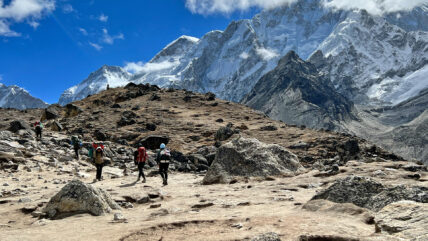
The Everest Base Camp Trek is one of the most iconic and sought-after trekking experiences in the world. With its awe-inspiring landscapes, rich Sherpa culture, and close-up views of the world’s highest peak, Mount Everest, it’s a journey that calls out to adventurers from around the globe.
While the trek itself is challenging, it is also a rewarding adventure that can create memories to last a lifetime. Whether you are a seasoned trekker or a first-time adventurer, there are several ways to make the most of your Everest Base Camp Trek experience.
1. Prepare Physically and Mentally
Physical preparation is key to a successful trek. Although the Everest Base Camp Trek is not considered a technical climb, it does require a good level of fitness. The altitude, combined with steep ascents and descents, can be demanding on your body.
To ensure you are ready for the physical challenges, engage in regular cardio exercises such as hiking, running, or cycling in the months leading up to the trek. Strength training, particularly for your legs and core, will help with the demands of climbing and descending.
Mental preparation is equally important. The trek will test your perseverance, patience, and adaptability. Being mentally prepared for long days of walking, potential altitude sickness, and unpredictable weather will help you stay focused and positive throughout the journey.
2. Invest in the Right Gear
The right gear can make a huge difference in your trekking experience. Choose high-quality, lightweight clothing and footwear that are suitable for the varying weather conditions you’ll encounter. A good pair of trekking boots with ankle support is essential, as is layering your clothes to stay warm during cold mornings and evenings, but cool during midday treks.
Some essential gear includes a good-quality sleeping bag, trekking poles, a comfortable backpack, and sufficient water bottles. A lightweight and reliable jacket, gloves, and a hat will help with the colder temperatures as you gain altitude. Don’t forget your sunglasses, sunscreen, and a headlamp for those early morning starts.
3. Take Time to Acclimatize
Altitude sickness is a common concern when trekking to Everest Base Camp, as you’ll be reaching altitudes of over 5,000 meters. To avoid it, proper acclimatization is essential. Instead of rushing through the trek, make sure to plan for rest days at key points along the route, such as in Namche Bazaar and Dingboche. During these rest days, your body will have the opportunity to adjust to the thinning air, helping you to avoid symptoms like dizziness, nausea, and headaches.
Acclimatization isn’t just about taking rest days; it’s also about taking things slow. The more gradually you ascend, the better your body will adjust, and the less risk there is of altitude sickness.
4. Stay Hydrated and Eat Well
As with any physically demanding trek, maintaining hydration and nutrition is crucial. The dry mountain air can easily lead to dehydration, so be sure to drink plenty of water throughout the day. Carry a water purification system or buy bottled water from the teahouses along the way.
Eating a balanced diet is equally important. The meals along the Everest Base Camp route are mostly simple, consisting of rice, potatoes, lentils, vegetables, and eggs. While it may seem repetitive, these foods provide necessary calories and nutrients to keep your energy levels up. Make sure to fuel up with a hearty breakfast, snack on nuts or fruit during the day, and enjoy a satisfying dinner to replenish your body for the next day’s trek.
5. Respect Local Culture and Traditions
The Everest region is home to the Sherpa people, who have a rich cultural heritage. As you trek through the villages, take time to appreciate the unique customs, traditions, and practices of the local communities. Be mindful of your behavior, and always be respectful towards the people, especially when visiting monasteries or sacred sites.
Consider carrying small gifts for the locals or contributing to the economy by shopping at small shops that sell handmade crafts. By doing so, you not only support the community but also foster positive interactions with the people you meet along the way.
6. Enjoy the Scenic Beauty
One of the highlights of the Everest Base Camp Trek is the stunning scenery that surrounds you. From the lush green forests at lower elevations to the towering snow-capped peaks as you approach Everest Base Camp, the views are simply breathtaking. Be sure to stop frequently to take in the scenery, snap some photos, and really appreciate the natural beauty around you.
The landscape is also a great opportunity to practice mindfulness. Whether it’s the sounds of nature, the breathtaking sunrises, or the majestic mountains, take moments throughout the trek to connect with the environment and experience the trek on a deeper level.
7. Take Advantage of the Tea Houses
The Everest Base Camp route is dotted with tea houses, providing a welcome rest stop for trekkers. These tea houses offer not just a place to sleep but also a chance to connect with fellow trekkers, share stories, and exchange tips. The owners and staff are often friendly and willing to provide helpful information about the trek.
Make the most of your time at the tea houses by engaging with the locals, learning about their way of life, and enjoying the hospitality. Additionally, these stops provide basic amenities, such as hot drinks, snacks, and warmth, which can be a great comfort after a long day on the trail.
8. Challenge Yourself with Optional Side Treks
While the Everest Base Camp Trek itself is a major achievement, there are several optional side treks that can enhance your experience. One of the most popular side treks is the hike to Kala Patthar, which offers the best panoramic views of Mount Everest. Standing at 5,545 meters, Kala Patthar provides an unbeatable vantage point to gaze at Everest and the surrounding peaks, making the additional effort well worth it.
If you have the time and energy, consider trekking to Gokyo Lakes or Tengboche Monastery. These treks will take you to even higher altitudes and provide different perspectives of the region’s awe-inspiring mountains and landscapes.
9. Be Prepared for Unpredictable Weather
The weather in the Himalayas can be unpredictable, so it’s important to prepare for all conditions. Expect sunny days with clear skies at lower altitudes, but as you climb higher, temperatures can drop significantly. Snow and rain are also common, especially during the monsoon season.
Pack accordingly, and always be prepared for changing conditions. Having waterproof gear, warm layers, and the right equipment will help you stay comfortable and safe, regardless of what the weather throws your way.
10. Take in the Spiritual Atmosphere
The Everest Base Camp Trek is not just a physical challenge—it’s also a deeply spiritual experience. The region is dotted with monasteries, stupas, and prayer flags, and many trekkers find themselves feeling a sense of tranquility and peace as they move through the area. Embrace the spiritual atmosphere, and take the time to appreciate the Buddhist customs and rituals that are an integral part of Sherpa culture.
At the Everest Base Camp itself, the atmosphere is often serene and contemplative, with trekkers reflecting on their journey and the significance of reaching this iconic location.
11. Capture Memories and Share Your Story
Finally, don’t forget to capture the memories of your Everest Base Camp trek. Whether it’s through photos, videos, or a personal journal, documenting your experience will allow you to relive the adventure long after you’ve returned home. Share your journey with others, inspiring fellow adventurers to take on the challenge.
The Everest Base Camp Trek is a life-changing experience that offers not only physical rewards but also personal growth. By preparing thoroughly, respecting local culture, and embracing the journey, you’ll make the most of your trek to one of the world’s most famous destinations.
In conclusion, the Everest Base Camp Trek is an unforgettable experience, but to truly make the most of it, you need to focus on physical and mental preparation, embrace the culture, and respect the natural environment. It’s a challenging yet deeply rewarding journey that will leave you with memories and insights that last a lifetime.