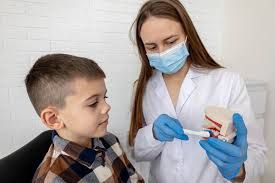
You might be feeling a little worried every time your child says their tooth hurts, or when you notice they are still going to bed with a bottle, or when you realize it has been a while since their last dental visit with a dentist in Crown Point, IN. You know their smile matters, not only for how they look, but for how they eat, sleep, and grow, yet it can be hard to know what is “normal” and what needs attention.end
Because of this, you might be asking yourself where to even start, what to ask a family dentist, and how to protect your child’s teeth without turning every bedtime into a battle. You are not alone in this. Many parents quietly wonder the same things and feel a bit guilty for not having all the answers.
The good news is that a few clear questions can guide you. When you know which questions to ask about your child’s oral health, you can catch problems early, avoid unnecessary pain, and feel more confident every time you brush their teeth or walk into a dental office. In short, these six questions are a simple roadmap for protecting your child’s smile.
Why does my child’s oral health matter so much, even for baby teeth?
It is easy to think, “They are just baby teeth, they will fall out anyway.” Because of that belief, many parents wait. They delay the first visit to a family dentist, or they ignore small brown spots, thinking they are only stains.
The problem is that baby teeth hold space for adult teeth, help your child speak clearly, chew well, and sleep without pain. When those teeth get cavities, children can struggle to eat, they may have trouble focusing in school, and they can develop infections that spread. According to national data on children’s oral health, tooth decay is still one of the most common chronic conditions in childhood, which means many kids are quietly hurting when they do not have to.
So, where does that leave you? It means that caring for baby teeth is not just about today. It is about the mouth your child will have as a teenager and an adult. Protecting baby teeth protects what comes next.
When should my child first see a dentist, and how often after that?
Many parents wait until there is a visible problem. A chipped tooth on the playground. A complaint of pain while chewing. A dark spot that suddenly looks serious. By then, treatment can be more involved, and your child may already associate the dentist with pain and fear.
Most experts recommend that a child see a dentist by the time of their first birthday, or within six months of the first tooth erupting. After that, visits are usually every six months, although your dentist may adjust that timing based on your child’s risk for cavities. You can find helpful guidance on what to ask when choosing a dental office in resources like the questions to ask when looking for a dental office from Head Start.
Early visits are not only about drilling and filling. They are about building trust, learning how to clean your child’s teeth, and catching concerns early, when they are simpler and less stressful to treat.
What should daily oral care look like for my child at home?
Maybe you have tried to brush your toddler’s teeth, and it turned into a wrestling match, or your older child insists they already brushed when you know they were in the bathroom for twenty seconds. You want to do this right, but it can feel like a constant conflict.
Daily care does not have to be perfect to be powerful. For most children, that means brushing twice a day with fluoride toothpaste and flossing once their teeth touch each other. The Centers for Disease Control and Prevention shares simple, clear oral health tips for children that show how much toothpaste to use at different ages and how to make these routines work.
It can help to brush your teeth at the same time as your child. Turn it into a shared habit instead of a command. Use a timer or a favorite song for two minutes. Praise the effort, not just the result. Over time, those small, steady routines matter far more than one perfect night.
How do food and drinks affect my child’s teeth every day?
You may already know that candy is not great for teeth, but the tricky part is everything in between. The juice boxes, sports drinks, sticky snacks, and constant grazing through the day. These quiet habits can do more damage than one piece of birthday cake.
Every time your child eats or drinks something sugary, the bacteria in the mouth produce acid that can weaken enamel. If snacking is frequent, teeth never get a break. Sippy cups and bottles used for long periods, especially with juice or sweetened milk, can cause serious decay, sometimes called “baby bottle tooth decay.”
You do not need a perfect diet. Focus on simple shifts. Offer water between meals. Keep juice as an occasional treat instead of a daily habit. Pair sweets with meals rather than as constant snacks. These small changes protect enamel and make it easier for brushing and fluoride to do their job.
What preventive treatments should I ask the dentist about?
At some point, you may hear about sealants, fluoride treatments, or other preventive options, and it is natural to wonder what is really necessary. You might worry about cost or whether these treatments are safe for a growing child.
Preventive treatments are designed to stop problems before they start. That includes fluoride varnish to strengthen enamel, sealants on the chewing surfaces of molars, and regular cleanings to remove plaque and tartar. The National Institute of Dental and Craniofacial Research provides helpful information about oral health for children, including how these preventive steps work.
When you know what to ask, you can have a calm, clear conversation with your dentist. For example, you might ask: “Is my child at high risk for cavities?” “Would sealants help protect their back teeth?” “How often do you recommend fluoride treatments for my child?” The goal is not to do everything possible, but to do what is appropriate for your child’s specific risk.
How common are dental problems in children, and what does that mean for my family?
It can be reassuring to know you are not the only parent facing this. National statistics on children’s oral health show that many kids have had at least one cavity by early elementary school, and some have untreated decay that affects daily life. You can review current data from the NIDCR on children’s oral health statistics to see how widespread these issues are.
On one hand, that can feel discouraging. On the other hand, it means dentists and pediatricians are used to helping families turn things around. Cavities are common, but they are also largely preventable. When you ask the right questions and take small, steady steps, you can change your child’s story, even if you feel behind today.
What are the tradeoffs between “wait and see” and early action?
You might be torn between not wanting to overreact and fearing that you will miss something important. Do you wait and hope a small spot on a tooth does not get worse, or do you schedule a visit now and risk feeling like you are making a fuss over nothing?
It can help to compare the two paths side by side.
| Approach | Short term impact | Long term impact | Example |
|---|---|---|---|
| “Wait and see” for minor concerns | No visit right away. No immediate cost or schedule disruption. | Small issues can grow into pain, infections, or more complex treatment later. | A tiny brown spot on a molar slowly becomes a deep cavity that needs a filling or crown. |
| Early check and preventive care | One short visit. Some cost and planning now. | Problems are caught early, treatment is usually simpler, and your child builds trust with the dentist. | The dentist confirms the spot is early decay and treats it with fluoride and a simple filling before it hurts. |
| Strong daily habits at home | Extra time and energy each day to brush, floss, and guide your child. | Lower risk of cavities, fewer emergencies, less fear of the dentist. | Two minutes of shared brushing twice a day prevents years of avoidable dental work. |
When you see the tradeoffs clearly, it becomes easier to choose early action for most concerns, especially when it comes to pain, visible spots, or changes in how your child eats or sleeps.
What immediate steps can I take to protect my child’s smile?
So, what can you do right now, even if you feel behind or overwhelmed by all the advice out there about children’s dental health questions and best practices?
1. Set a simple, realistic home routine
Commit to brushing your child’s teeth twice a day with fluoride toothpaste. Morning and night. For younger children, use a smear the size of a grain of rice. For kids 3 to 6, use a pea-sized amount. Aim for two minutes. If your child resists, start with shorter times and build up. Pair brushing with something they already do, like a bedtime story or getting dressed for school, so it becomes part of the rhythm of the day rather than a separate chore.
2. Schedule or confirm the next dental visit
If your child has not seen a dentist yet, or it has been more than six months, schedule a visit with a trusted family dental provider. At the visit, bring your questions. Ask about your child’s risk for cavities, recommended preventive treatments, and how often they should be seen. If your child is anxious, talk with the office ahead of time about what helps them feel safe. Many offices are very used to working gently with children.
3. Make one clear change to snacks and drinks
Instead of trying to change everything about your child’s diet, choose one meaningful step. For example, replace juice between meals with water. Or limit sticky sugary snacks to once a day and serve them with a meal. Keep in mind that frequent sipping and snacking can be harder on teeth than one dessert eaten with dinner. This one change can quickly reduce the time your child’s teeth are exposed to sugar and acid.
Moving forward with more confidence about your child’s oral health
You do not have to be a dental expert to protect your child’s smile. You only need a few clear questions, some steady habits, and the courage to ask for help when something does not feel right. Even if you feel you have waited too long, there is always a next step that can make things better, not worse.
As you use these six questions to guide your decisions, remember that progress matters more than perfection. Every brushing session you manage, every snack choice you adjust, and every calm visit you have with a dentist builds a healthier, more comfortable future for your child.
Your child deserves to eat without pain, sleep without toothaches, and smile without worry. And you deserve the peace of mind that comes from knowing you are asking the right questions and taking thoughtful action, one small step at a time.