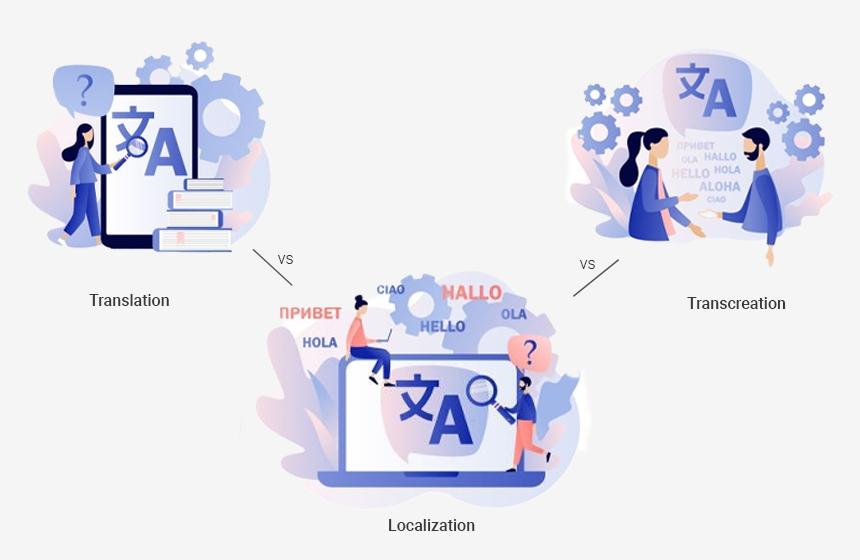
Website localization means changing a website so it feels natural for people in a different country. This includes translating the words, but also adapting things like currency, dates, and even colors.
The goal is to make visitors feel at home when they visit the site. Transcreation is a bit different. It focuses more on rewriting the message so it matches the culture and emotions of the new audience. It’s not just about words, but about the whole feeling of the message.
For hospitality brands, reaching guests from different parts of the world is very important. But choosing the right way to communicate can be tricky. Should they use website localization to keep things clear and easy? Or should they choose transcreation to connect more deeply with different cultures? This article will help answer that question by explaining both approaches.
In the hospitality business, small details can make a big difference. A hotel website that speaks the visitor’s language well can make them feel welcome and ready to book. But sometimes just translating words is not enough. This is where knowing the difference between localization and creative message adaptation becomes very useful. We will explore how each method works and which one fits best for hospitality brands.
What Is Website Localization?
Website localization means changing a website so it fits the language and culture of a specific place. It is not just about translating words. It also includes adjusting things like dates, currency, images, and colors. This helps visitors feel the website is made just for them.
For example, a hotel website in France will show prices in euros and use French words. It may also use pictures that appeal to French visitors. Localization makes websites easier to understand and use. This helps businesses connect better with local customers.
Why Website Localization Is Important for Hospitality
Website localization is very important for hospitality brands. When a website speaks the visitor’s language, it feels welcoming and easy to use. For hotels and travel companies, this means guests can find information and book rooms without confusion. IPPWORLD knows that a local touch helps build trust with customers from different countries.
Also, localization shows prices in local currency and uses familiar payment methods. This makes booking faster and safer for visitors. When hospitality brands use localization well, they can reach more people and grow their business. A website that feels local helps guests feel comfortable before they even arrive.
What Is Creative Message Adaptation?
Creative message adaptation means changing the message to fit a different culture while keeping the original feeling and meaning. It is more than just translation. The goal is to make the message sound natural and strong in another language.
For example, a funny slogan in English might not work in another country. Creative message adaptation rewrites the slogan so it feels funny or inspiring in that culture. This way, brands can share their true message and emotions with people around the world.
How Creative Message Adaptation Benefits Hospitality Brands
Creative message adaptation helps hospitality brands speak to people’s feelings. It makes ads and messages more emotional and meaningful. This is very important for hotels and travel companies because they want guests to feel welcome and excited. Changing words and ideas so they fit the local culture perfectly creates a stronger bond.
This creative process also helps brands stand out from competitors. A message that feels local and special is more memorable. Hospitality brands can build a strong connection with new customers. This leads to more bookings and loyal guests who trust the brand.
Website Localization vs. Creative Message Adaptation: Key Differences
Website localization focuses on adapting a website’s language and content to fit a local culture, making it easy to use. Creative message adaptation goes deeper by creatively rewriting messages to keep the original emotion and impact for a new audience.
| Aspect | Website Localization | Creative Message Adaptation |
| Focus | Adapting language and content | Adapting the message and emotion |
| Scope | Translation + cultural tweaks | Creative rewriting and marketing |
| Use case | Functional websites | Advertising and branding |
| Cost and time | Usually less expensive, faster | More costly, requires creativity |
When to Use Website Localization
Website localization is best when you want to make your site easy to use for people from different countries. If your goal is to share clear information, like hotel details or booking options, localization works well. It helps visitors understand your website quickly in their language.
Localization is also important when you need to show local currency, dates, or contact details. This makes visitors feel comfortable and confident. Hospitality brands use localization to make their websites friendly and simple for guests everywhere.
When to Use Creative Message Adaptation
Use creative message adaptation when you want to create strong emotional connections with your audience. It works best for marketing messages, slogans, and ads. If your goal is to inspire or excite guests, this method helps make your message feel natural and powerful in their culture.
Creative message adaptation is also good when a simple translation won’t keep the original meaning. For example, funny or creative ideas may need to change to fit local tastes. Hospitality brands use this approach to stand out and speak directly to local customers’ hearts.
Combining Localization and Creative Message Adaptation
Many hospitality brands use both localization and creative message adaptation. They localize their website to make it easy to use and understand. This helps visitors find information and book rooms without trouble. At the same time, they adapt marketing messages to create strong emotions and connect with local cultures.
By combining both, brands get the best of both worlds. Localization makes the website practical and user-friendly. Creative message adaptation makes the brand feel special and close to the audience. This way, hospitality brands can attract more guests and build good relationships worldwide.
Challenges of Website Localization and Creative Message Adaptation
Website localization can be hard because every culture is different. Sometimes, small details like colors or images may not work well in some places. Brands need to know local habits and preferences to avoid mistakes. This takes time and careful research.
Creative message adaptation is also challenging because it needs creative writers who understand both languages and cultures well. It can be expensive and take longer than simple translation. If done wrong, the message may lose its meaning or feel strange to the audience.
Conclusion
Both website localization and creative message adaptation are important for hospitality brands. Localization makes the website easy to use for visitors from different countries. It helps guests find information and book with confidence.
Creative message adaptation helps brands connect with people on an emotional level. It makes marketing messages feel natural and meaningful in local cultures. Using both together gives hospitality brands the best chance to succeed worldwide.