Your mouth carries your stress, your habits, and your health. You brush and floss, yet you may still worry about bad breath, bleeding gums, or stains that will not fade. Regular checkups help, but what you do between appointments decides how strong your teeth stay. Many people rush through brushing. Many skip flossing at night. Some rely on mouthwash to fix everything and feel stuck when problems return. You deserve clear steps that fit real life. This guide shares 6 simple ways to clean better, protect your gums, and keep pain away between visits. It gives you plain answers that you can use today. Local Bucks County dentists see the same preventable problems every week. You can break that pattern. With a few steady changes, you can walk into your next visit with less fear, less plaque, and more control over your health.
1. Brush with purpose, not speed
You likely brush every day. The problem often is how, not if. A rushed scrub misses germs that cause decay and gum disease.
Use these three steps each time.
- Brush for 2 full minutes
- Use a soft brush and gentle circles
- Reach the gumline and back teeth
The Centers for Disease Control and Prevention links poor brushing to more cavities and gum infection. You lower that risk when you slow down and cover every surface. Set a timer. Or play a short song for your child. Treat those 2 minutes as non-negotiable time for your health.
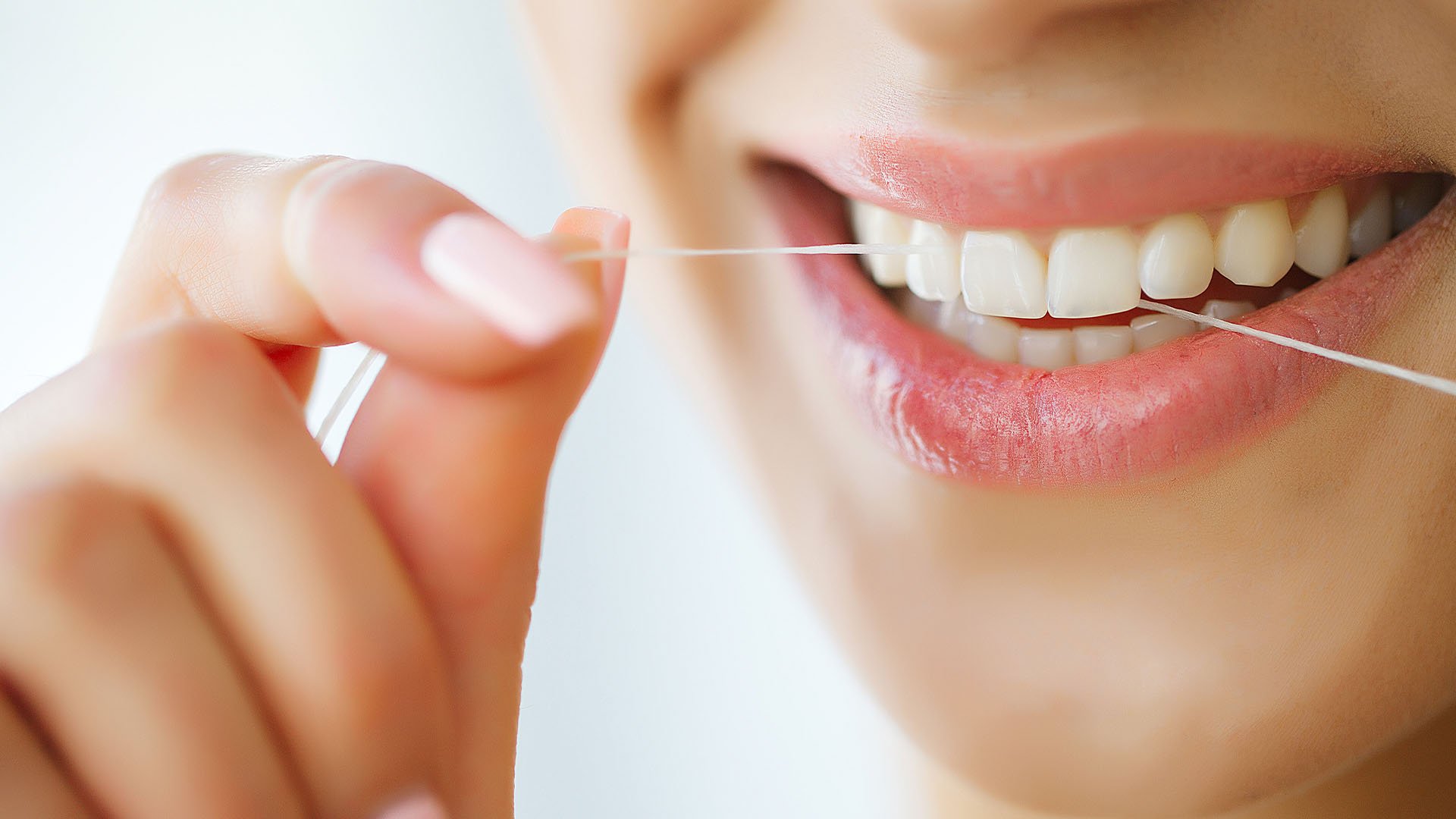
2. Floss once a day to reach hidden spaces
Toothbrush bristles cannot reach between teeth. Food and germs stay trapped. That trapped mix causes bad breath and bleeding gums.
You change that with one daily habit.
- Floss gently between every tooth
- Curve the floss around each tooth in a C shape
- Slide under the gumline without snapping
If string floss feels hard to use, you can try floss picks or a water flosser. The method matters less than consistency. Make flossing part of your night routine so you go to bed with a clean mouth. This one step cuts the chance of gum disease and early tooth loss.
3. Use fluoride to strengthen teeth
Fluoride hardens the outside of your teeth. It helps repair early damage before a cavity forms. Many people skip fluoride or rinse it away too fast.
Follow three simple rules.
- Choose fluoride toothpaste with the ADA Seal
- Use a pea-sized amount for adults and a rice-sized amount for young children
- Spit out the foam and do not rinse with water after brushing
The National Institute of Dental and Craniofacial Research explains that fluoride works best when it stays on the teeth. When you avoid rinsing, a thin layer stays in place and keeps working between visits.
4. Choose snacks and drinks that protect teeth
What you eat and drink during the day can undo good brushing. Sugar and acid feed the germs that attack your teeth.
You do not need a perfect diet. You only need smart swaps.
- Drink water instead of soda or sports drinks
- Limit sticky snacks like candy and fruit snacks
- Save sweets for mealtimes instead of constant nibbling
Water with fluoride supports your teeth. Constant sipping of sweet drinks bathes them in sugar. That steady hit raises the chance of decay even if you brush well at night.
5. Protect your mouth during sports and stress
Teeth also suffer from hits and grinding. One fall or one season of grinding can cause chips, cracks, or loose teeth.
Guard your mouth in three ways.
- Wear a mouthguard during sports and rough play
- Ask your dentist if you grind or clench at night
- Use a night guard if your dentist recommends it
Children and teens often need extra reminders to use a mouthguard. Yet one small piece of gear can prevent broken teeth and painful treatment later.
6. Build a simple daily routine for your family
Good oral care sticks when it fits your daily life. A clear routine helps children and adults stay on track.
Try this three-step daily plan.
- Morning. Brush with fluoride toothpaste for 2 minutes
- Evening. Brush again and floss once
- All day. Choose water often and limit sugary snacks
Use charts for young children. Set phone reminders for yourself. Keep supplies in easy reach. When the routine feels natural, you stay more consistent and walk into each visit with less fear.
Daily habits that matter most
The table below shows how each simple habit helps your mouth stay healthy between visits.
| Habit | How often | Main benefit |
|---|---|---|
| Brushing with fluoride toothpaste | 2 times each day | Removes plaque and strengthens tooth enamel |
| Flossing | 1 time each day | Cleans between teeth and lowers gum bleeding |
| Choosing water over sweet drinks | Most drinks each day | Cuts sugar exposure and dry mouth |
| Wearing a mouthguard for sports | Every game and practice | Prevents broken and knocked out teeth |
| Regular dental checkups | Every 6 to 12 months | Finds problems early and supports home care |
You do not need perfect teeth to start. You only need one clear choice at a time. Brush with care. Floss once a day. Use fluoride. Choose water. Guard your teeth. When you keep these habits, each visit becomes easier. You feel more control. You feel less fear. You protect your smile and your health for the long term.