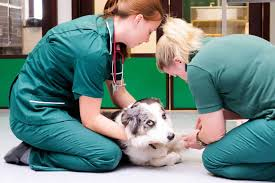
You might be feeling a quiet knot in your stomach every time you think about “what if” as a Dallas veterinarian at your veterinary clinic. What if a dog crashes into the table during surgery? What if a fire alarm goes off in the middle of a packed afternoon? What if a hurricane is moving in and you have a full boarding ward? You know you are responsible for animals, clients, and your team, yet you may not feel fully confident that everyone would know what to do when seconds matter.end
That tension is very real. Many clinics run on tight schedules, with phones ringing, patients waiting, and staff stretched thin. It is easy to push emergency training to “when things slow down,” and then they never do. At the same time, you know that one bad event can change everything.
The good news is that emergency readiness does not have to be perfect to be effective. A thoughtful plan, practiced regularly, can turn fear into muscle memory. In simple terms, how veterinary clinics train staff for emergency preparedness usually comes down to three things. Clear protocols. Regular practice. And a culture where people feel safe speaking up when something is wrong. When those pieces work together, your clinic can respond faster, reduce risk, and protect both patients and people when it matters most.
Why emergency preparedness in veterinary clinics feels so overwhelming
Before talking about solutions, it helps to name what makes this so hard. You are not just planning for one kind of emergency. You are balancing medical crises, building issues, and large-scale disasters, often with limited staff and space.
On the medical side, emergencies can walk in the door without warning. A hit by a car dog, a blocked cat, and a heatstroke patient after a summer run. In those moments, your team needs to know, without hesitation, who triages, who starts oxygen, who calls the doctor, and who talks to the owner. When those roles are fuzzy, precious time slips away and stress skyrockets.
Then there are building and safety issues. Fire alarms. Power outages. A client who becomes aggressive at the front desk. If your staff are unsure where to move animals, how to lock down a treatment area, or who to call 911, they will hesitate. That hesitation can put everyone at risk.
And finally, there are community-level disasters. Floods, wildfires, hurricanes, chemical spills, or disease outbreaks. These are the events that can shut down roads, cut power, and overwhelm local resources. They are also the ones most likely to be ignored until it is too late, because they feel distant and abstract. Yet veterinary practices are expected to protect their own animals, often help clients, and sometimes support the wider response.
Because of this mix, you might feel pulled in different directions. You want to train for everything, yet you barely have time for staff meetings. You want to be realistic, yet you do not want to scare your team. So where does that leave you?
What does thoughtful emergency training in a veterinary clinic actually look like
Thoughtful training does not start with fancy equipment. It starts with a clear, written plan that everyone can understand. Professional groups such as the AVMA offer guidance on disaster preparedness for veterinary practices, which can be a strong foundation. From there, your clinic can shape the details around your building, your staff, and your local risks.
For day-to-day medical crises, many clinics teach a simple emergency flow. One person leads and gives orders. One person handles airway and breathing. One person manages circulation, such as IV access and fluids. Another communicates with the owner and documents. Staff practice this with mock codes using stuffed animals or mannequins. The goal is not perfection. The goal is that when someone shouts “code in treatment,” no one freezes.
For building emergencies, training often focuses on evacuation routes, animal handling under stress, and communication. Staff learn where leashes, carriers, and evacuation boards are stored. They know which doors to use, where to stage animals outside, and how to account for every patient. They also practice what to say to clients in the lobby during a fire alarm or lockdown, so no one is left confused or panicked.
For larger disasters, clinics that handle preparedness well usually have written checklists. These cover how to secure records, medications, and controlled drugs, how to protect boarding animals, and when to close to new cases. Some teams also train in regional programs, such as the resources from North Carolina State on disaster preparedness and response for veterinarians. These programs help connect the clinic to county or state emergency plans, which can be a relief when everything feels bigger than one team can handle.
Underneath all of this is a culture issue. Emergency training only works if people feel safe asking questions and admitting when they are unsure. The most effective clinics encourage new staff to say, “I do not know that protocol yet. Can we walk through it?” They debrief after real emergencies and ask, “What worked, what did not, and what should we change next time?” That reflection turns one bad day into better days ahead.
Comparing common approaches to veterinary emergency preparedness training
You might be wondering whether you should build everything yourself or lean on outside programs. The truth is, most clinics use some mix of both. The table below compares common approaches to emergency training for veterinary staff so you can see what might fit your situation.
| Training approach | What it looks like in practice | Pros | Limitations |
| In house protocols only | Clinic writes its own checklists and teaches them during staff meetings and on the job. | Highly tailored to your building and team. Low direct cost. Easy to adjust quickly. | Can miss best practices. Depends heavily on one or two leaders. Harder to keep consistent over time. |
| Use of external guidelines | Clinic adopts guidance from groups like AVMA and adapts it to local needs. | Backed by broader expertise. Provides structure and templates. Easier to justify to owners and regulators. | Still requires time to customize. Staff may feel overwhelmed by long documents if not broken into small pieces. |
| Formal disaster courses | Key staff attend regional or online disaster preparedness programs, then train the rest of the team. | Builds deeper knowledge. Connects the clinic to local emergency networks. Helpful for high-risk regions. | Requires time away from clinic. May feel too “big picture” if day-to-day basics are not yet in place. |
| Regular drills and simulations | Clinic schedules mock codes, evacuation drills, and scenario walkthroughs several times a year. | Turns theory into habit. Reveals gaps in plans. Builds confidence and teamwork. | Takes time during busy days. Can feel awkward at first without leadership support. |
Most clinics find that a blended approach works best. They use external guidelines as a backbone, craft simple in-house protocols, send at least one person to more advanced training, and keep everything alive through regular drills. That mix keeps costs manageable while still raising the bar on safety.
Three practical steps to strengthen your clinic’s emergency readiness now
1. Start with one clear, written protocol for your most common emergency
Think about the emergency your team sees most often or fears the most. It might be a cardiopulmonary arrest, a blocked cat after hours, or a building fire during business hours. Write a one-page protocol that answers three questions. Who is in charge? What are the first five actions? How do we communicate with the team and the client? Post it where staff can see it and walk through it together. You can add more protocols later, but starting with one builds momentum.
2. Run a short, low-pressure drill within the next two weeks
Pick a quiet time. Tell your team you are going to do a simple run-through, not a test. Choose a scenario, such as “a dog collapses in the lobby” or “the fire alarm goes off during surgery.” Ask people to talk out loud about what they would do, where they would go, and what they would say. Keep it to 10 or 15 minutes. Afterwards, ask what felt confusing and what supplies or changes would make it smoother. Adjust your protocol based on what you learn.
3. Assign roles and backups before the next real emergency
In many clinics, chaos comes from not knowing who does what. Before your next busy week, assign simple roles. For example, “In a medical emergency, Technician A leads the code, Technician B manages drugs and equipment, Receptionist C calls the veterinarian and supports the owner.” Do the same for building issues. Name who calls 911, who leads animal evacuation, and who accounts for staff. Identify backups for each role in case someone is off. When people know their lane, they act faster and feel calmer.
Bringing it all together so your clinic can face emergencies with confidence
You carry a lot. You care about your patients, your clients, and your staff, and you know that emergencies will come whether you feel ready or not. The goal of veterinary clinic emergency preparedness is not to remove every risk. It is to make sure that when something hard happens, your team does not feel alone or lost.
By choosing one protocol to write down, one drill to run, and one set of roles to assign, you move from worry to action. Over time, those small steps add up to a clinic where people trust each other, know what to do, and recover more quickly from the hard days. That kind of preparation is a gift not only to your patients, but also to the people who show up every day to care for them.
You do not have to fix everything at once. Pick one step, schedule it, and build from there. Your future self and your future emergencies will be easier to face because of what you choose to do now.